What We Do

Services

Every job we quote, broken down by what's actually involved.

Home › Services

Everything we take on

Every job below is one we do ourselves across Freeport.

Asphalt Paving

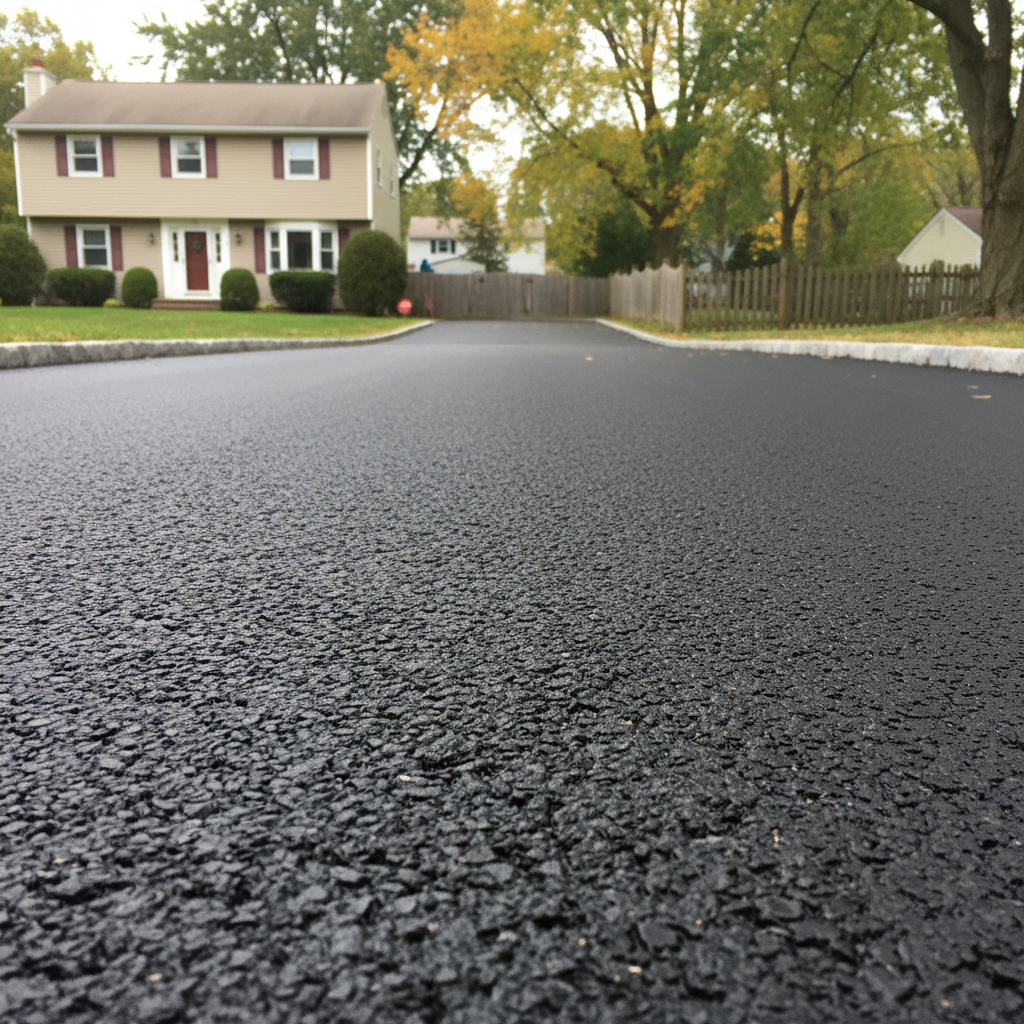
Full-depth asphalt paving for driveways, lots and access roads, starting with a compacted stone base. We lay the binder course and finish coat separately so each layer compacts the way it's supposed to, not as one thick pour that traps air and fails early.

Asphalt Driveway Paving

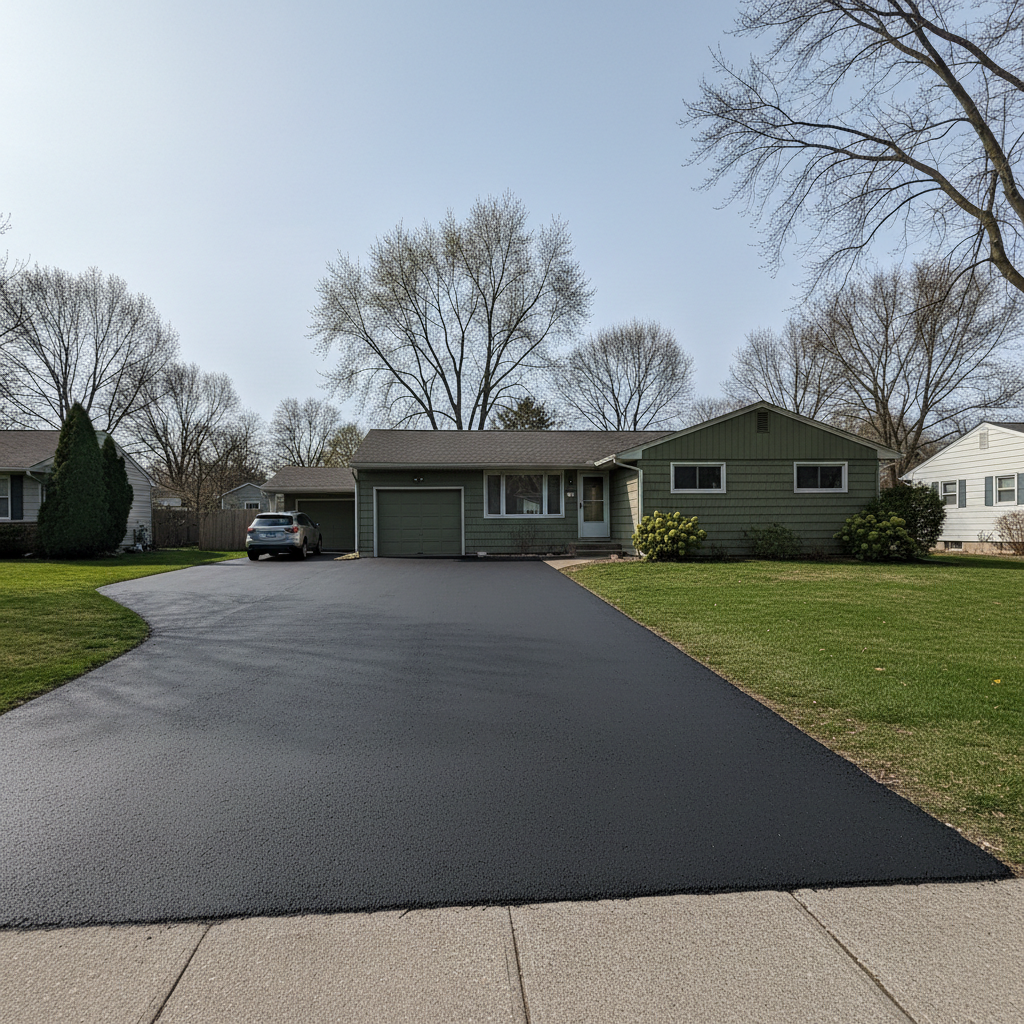
New driveway paving from the base up, graded to pitch water away from your garage and foundation. We typically run 2 to 3 inches of hot mix over 4 to 6 inches of compacted stone, depending on the soil underneath.

Asphalt Sealcoating

A sealcoat protects asphalt from UV, oil and road salt, and it's worth doing every 2 to 3 years on most driveways. It won't fix a cracked or sunken surface, so we'll tell you upfront if your driveway needs patching first.

Asphalt Crack Repair

Cracks under about a quarter inch get hot-poured rubberized sealant to keep water out before winter. Wider cracks get routed out first so the sealant actually bonds instead of sitting on top and peeling off by spring.

Pothole Repair

We cut a clean square edge around the pothole, pull out the broken material, and tack coat the edges before laying hot mix asphalt. Compacted in lifts and rolled flush, not just dumped in and tamped by hand.

Asphalt Resurfacing

An overlay lays new asphalt over an existing surface that's still structurally sound, usually 1.5 to 2 inches of new hot mix. If alligator cracking runs across the whole lot, the base has already failed, and an overlay just hides the problem for a season or two, we'll say so.

Asphalt Patching

Targeted patching for soft spots, low areas, and sections that failed around a utility cut. We match the patch depth to the surrounding asphalt so it doesn't become a new low spot that collects water.

Asphalt Parking Lot Paving

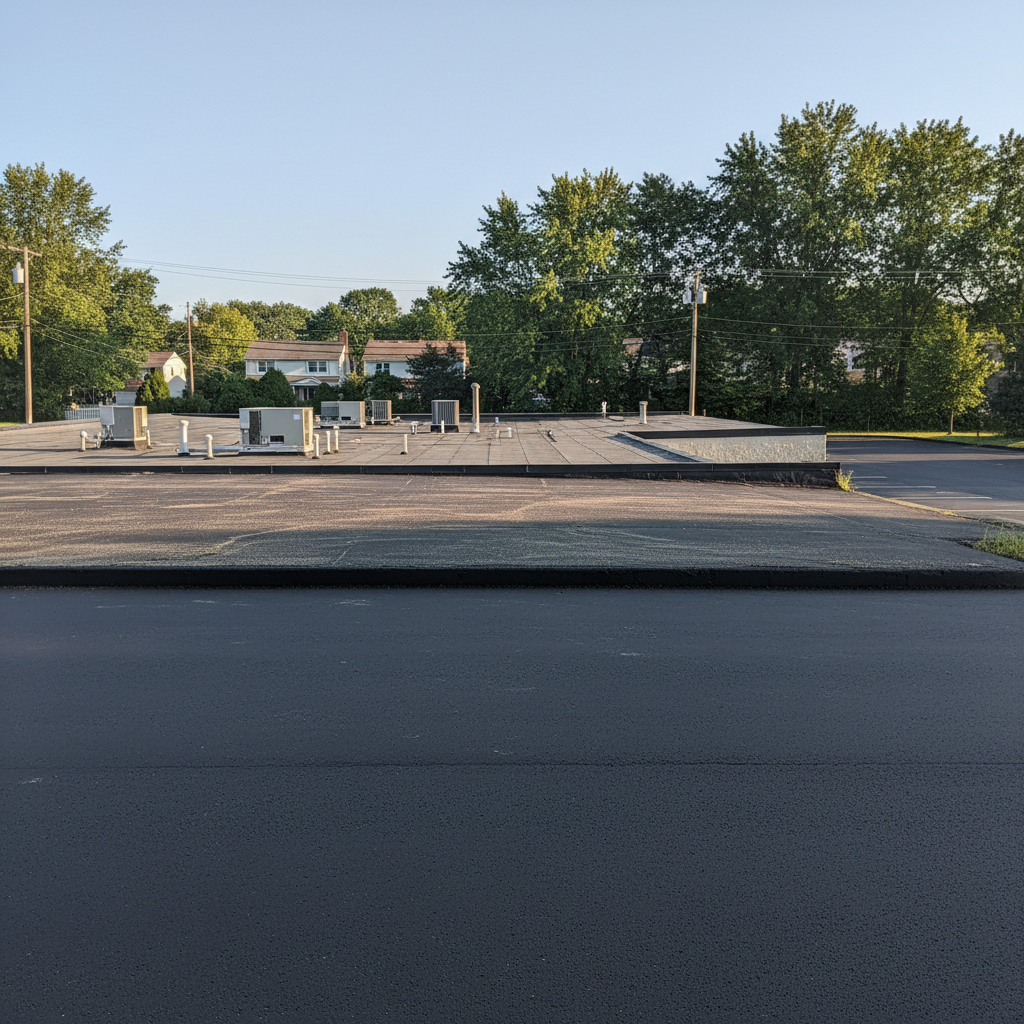
Paving and repaving for commercial lots, sized for the actual traffic it'll carry, delivery trucks need a thicker binder course than employee parking spaces. We also handle drainage swales and catch basin aprons around the edges.

Asphalt Milling

We mill off the top layer of worn asphalt before an overlay, so the new surface doesn't add height against curbs, drains and door thresholds. Milled material can often be recycled back into the new base.

Asphalt Line Striping

Striping for parking stalls, fire lanes, and ADA spaces using traffic paint rated for asphalt. Usually done a few days after a new surface cures so the paint bonds instead of lifting.

How It Works

Four steps, and no surprises in any of them.

01

We come and look

You tell us what you want doing, we look at what is actually there, and we ask the awkward questions early.

02

You get a price

In writing, itemised, free. If something might add cost later we flag it now rather than at the end.

03

We do the work

Same crew throughout. We cover your floors, keep the dust down and tidy up before we leave each day.

04

We walk it with you

You point out anything you are not happy with and we fix it before the invoice, not after.

Where We Work

All of this, across Freeport, NY

Where we take on paving and repair jobs across Nassau County.

Freeport, NY
Hempstead, NY
Levittown, NY
Valley Stream, NY
Long Beach, NY
Baldwin, NY
Oceanside, NY
Rockville Centre, NY
Massapequa, NY
Lynbrook, NY
Merrick, NY
Wantagh, NY
Common Questions

Things worth asking

Questions that come up once a real job is on the table.

Do I need a permit for a new driveway or parking lot?
Many towns require a permit for new driveway paving or curb cuts, especially where the driveway meets a public road, and requirements vary by municipality. Checking with the local building department before work starts avoids having to redo a curb cut that wasn't approved.
How long does asphalt paving take?
A typical residential driveway can be paved in one to two days, including grading and base work, with cure time before the surface is safe to drive on. Larger commercial lots take longer depending on square footage and whether milling is involved.
Can you work within a set budget?
An asphalt job can usually be scaled by thickness, base depth, or square footage to fit a budget, and a contractor should explain what's being trimmed and what the tradeoff is. Cutting base depth on a driveway that sees heavy vehicle traffic isn't a tradeoff worth making.
Do you guarantee the work?
Workmanship guarantees for asphalt paving typically cover a set period against installation failures, such as settling or improper compaction, though they don't cover normal wear like fading or minor surface cracking over time. The specific terms should be written into the estimate before work begins.
Who do I deal with during the job, a project manager or the crew?
On most asphalt jobs, a single point of contact handles scheduling and questions, while the paving crew handles the physical work on site. Direct contact with that one person keeps communication clear if something needs to change mid-job.
What kind of asphalt material do you use?
Hot mix asphalt is standard for driveways and lots, applied in a binder course and a finish course, with the mix design adjusted for climate and traffic load. Cold mix is sometimes used for emergency pothole patches but isn't a permanent fix.
Can I stay home during the paving work?
Staying in the house during driveway paving is fine, though the driveway itself will be unusable the day of paving and for at least 24 to 48 hours while the new asphalt cures enough to bear weight. Parking arrangements for that window are worth planning ahead.
How should I prepare the site before you arrive?
Moving vehicles, outdoor furniture, and anything stored on the driveway or lot clears the work area before a paving crew arrives. Trimming back landscaping near the edges of the paved area also speeds up grading and compaction.
What if you find a problem once the old asphalt is removed?
Removing old asphalt sometimes reveals a soft or washed-out sub-base, a broken drainage pipe, or tree roots that weren't visible beforehand, and these need addressing before new asphalt goes down. A contractor should flag the issue and the added cost before proceeding, not after the job is finished.
How do I take care of a new asphalt driveway?
New asphalt should stay free of vehicle traffic for the first few days, and the steering wheel shouldn't be turned while the car is parked, which can scuff or tear the fresh surface. Sealcoating every 2 to 3 years after the first year of curing extends the life of the surface significantly.

Not sure what you need?

Describe the problem and we will tell you what it probably is. No obligation.
Call (929) 322-1204